
25 September 2026
There is a place that appears on almost every itinerary for trips to Baku, yet remains remarkably underappreciated: Gobustan. Located approximately one hour from the city center, this region is one of the rare places that bears traces of both nature and human history side by side. Thousands of years of rock art, one of the world’s densest clusters of mud volcanoes, and a national park listed as a UNESCO World Heritage Site… Gobustan is truly an open-air museum for those who want to add a different dimension to their Baku holiday.
What Is Gobustan and Where Is It Located?
Gobustan is situated to the southwest of Baku, in a rocky and semi-desert terrain close to the shores of the Caspian Sea. The region takes its name from the rocky and mountainous geography surrounding it; the word “Gobustan” roughly translates to “land of valleys.” Having gained national park status in 1966, the region was added to the UNESCO World Heritage List in 2007, earning international recognition. Its easy accessibility from Baku by private vehicle, tour bus, or taxi makes Gobustan one of the indispensable stops on day-trip itineraries.
Thousands of Years of Rock Art
The most important feature that makes Gobustan so special on a global scale is the more than 6,000 petroglyphs carved into the rocks. These rock carvings are estimated to have been created over a broad period of time, stretching from the Upper Paleolithic era to the Middle Ages. The carvings feature motifs such as hunting scenes, dancing human figures, animals, warriors, and boats. The boat figures in particular are thought to carry clues suggesting that the region may have had a very different geographical structure thousands of years ago compared to today.
These carvings are not merely artistic traces; they also provide valuable information about the daily lives, beliefs, and relationship with the environment of the communities that once lived here. The museum site in the region features, alongside the rock carvings, informative exhibitions on tools discovered during archaeological excavations and living spaces. The Gobustan Rock Art Cultural Landscape Museum provides visitors with a modern and interactive entry point to understand the historical context before exploring the area.
Mud Volcanoes: Nature’s Extraordinary Spectacle
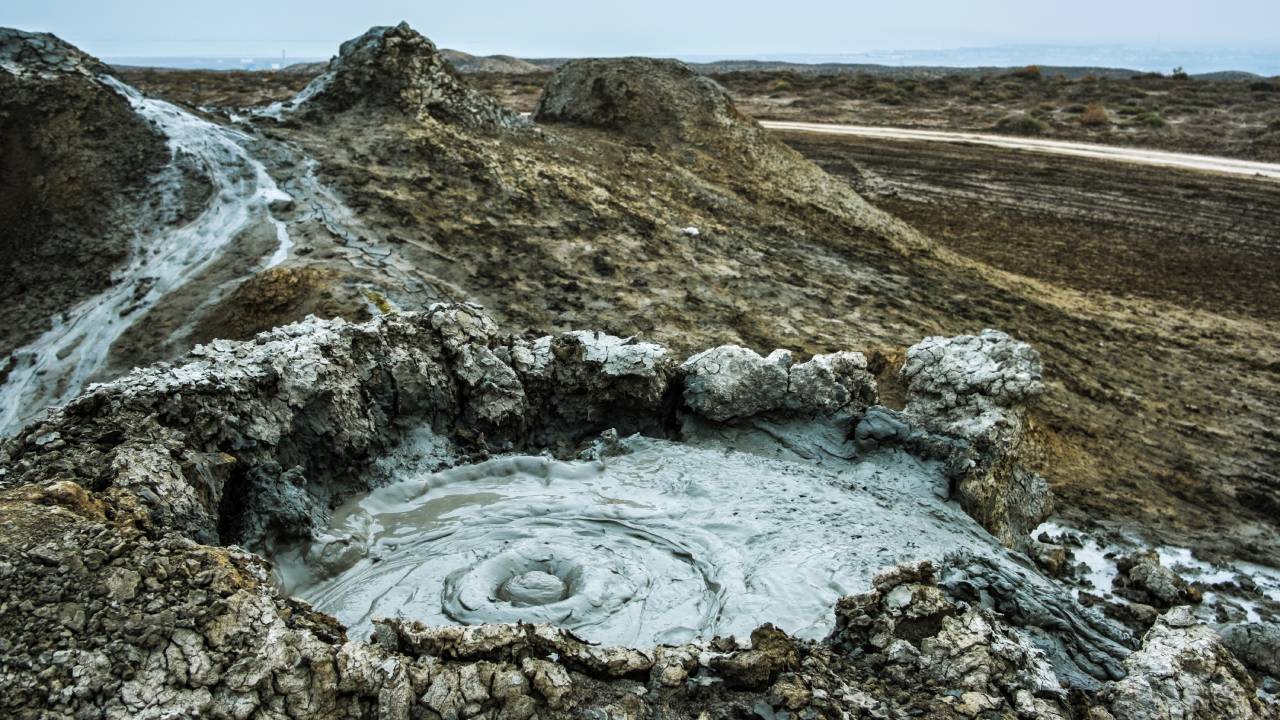
For many visitors to Gobustan, the mud volcanoes in the region are what truly spark curiosity. Azerbaijan is home to a significant proportion of the world’s mud volcanoes, and the area surrounding Gobustan is one of the places where these formations can be observed most densely. These volcanoes eject mud brought to the surface by underground gas and liquid pressure in the form of small cones. While some quietly produce bubbles, others can occasionally experience more pronounced eruptions.
The landscape created by the mud volcanoes presents a grey, smooth terrain reminiscent of the surface of the moon. This extraordinary geological formation creates a unique experience for both nature enthusiasts and photography lovers. It is worth noting that visitors usually make use of locally guided tours or off-road vehicles to reach this area, as the terrain can at times be uneven.
Practical Information for Visiting Gobustan
For those planning to visit Gobustan, paying attention to a few points can help make the trip as productive as possible. Since the area is outdoors, it is recommended to bring a hat, sunscreen, and plenty of water, especially during the summer months to protect against the sun. In the winter months, the weather can be windy and cool, so layering clothing comes in handy.
The duration of the visit generally ranges from half a day to a full day; setting aside separate time for the rock art museum, the open-air exhibition area, and the mud volcanoes makes for a more fulfilling experience. Combining Gobustan with other excursions around Baku — such as the natural flames of Yanar Dag — is also a frequently chosen option for those looking to plan a day-trip route.
A Comfortable Base in Baku with Ganjali Plaza
When setting out on day trips like these, having a centrally located accommodation to return to in the evening — tired but comfortable — makes a significant difference. With its location close to the city’s main streets, transportation hubs, and tour departure points, Ganjali Plaza, a Baku city hotel, makes out-of-town excursions like Gobustan less stressful and more enjoyable.
Gobustan is a special stop that brings together the oldest traces of history with nature’s most extraordinary formations, adding a different layer to a Baku holiday. The silent testimony of the rock carvings combined with the natural energy of the mud volcanoes offers visitors an unforgettable day.
Frequently Asked Questions
How far is Gobustan from Baku?
Gobustan is approximately 60 kilometers from Baku city center and takes around one hour by car.
How old are the rock carvings in Gobustan?
Some of the petroglyphs are thought to date back to the Upper Paleolithic period; the carvings span a broad time frame of thousands of years.
Are the mud volcanoes dangerous?
Most mud volcanoes bubble slowly and quietly; however, it is important to move with a guide during the walk and not to stray from marked areas.
How much time should be set aside for a visit to Gobustan?
A visit covering the museum, the rock art area, and the mud volcanoes usually takes between half a day and a full day.
What transportation options are available to reach Gobustan?
It can easily be reached from Baku by private vehicle, taxi, or organized day tours.



 PROMO CODE: GANJALI26