
25 September 2026
For those who want to escape the hustle of city life and immerse themselves in nature, northern Azerbaijan is a true destination for discovery. Quba, rising at the foothills of the Greater Caucasus Mountains, welcomes its visitors with green valleys, cool mountain air, and a traditional village character. Right beside it, Qudyalçay Canyon appears as a true work of natural art, with lines carved into the rock by the river over thousands of years. In this guide, you can find out what awaits you in Quba and Qudyalçay Canyon, how you can plan your trip, and what you should pay attention to.
Where Is Quba and What Makes It Special?
Quba is located approximately 170 kilometers north of Baku and stands out as one of Azerbaijan’s most distinctive cities, both for its geographical position and its cultural fabric. Famous for its apple orchards, the region takes on shades of red and orange in autumn, while in spring it acquires an entirely different kind of beauty as its gardens burst into bloom. The city also draws attention for its multicultural character; different ethnic and religious communities have lived side by side here for centuries. Traditional handicrafts — particularly the region’s renowned carpets — always attract the interest of those who visit Quba.
Qudyalçay Canyon: A Breathtaking Work of Nature
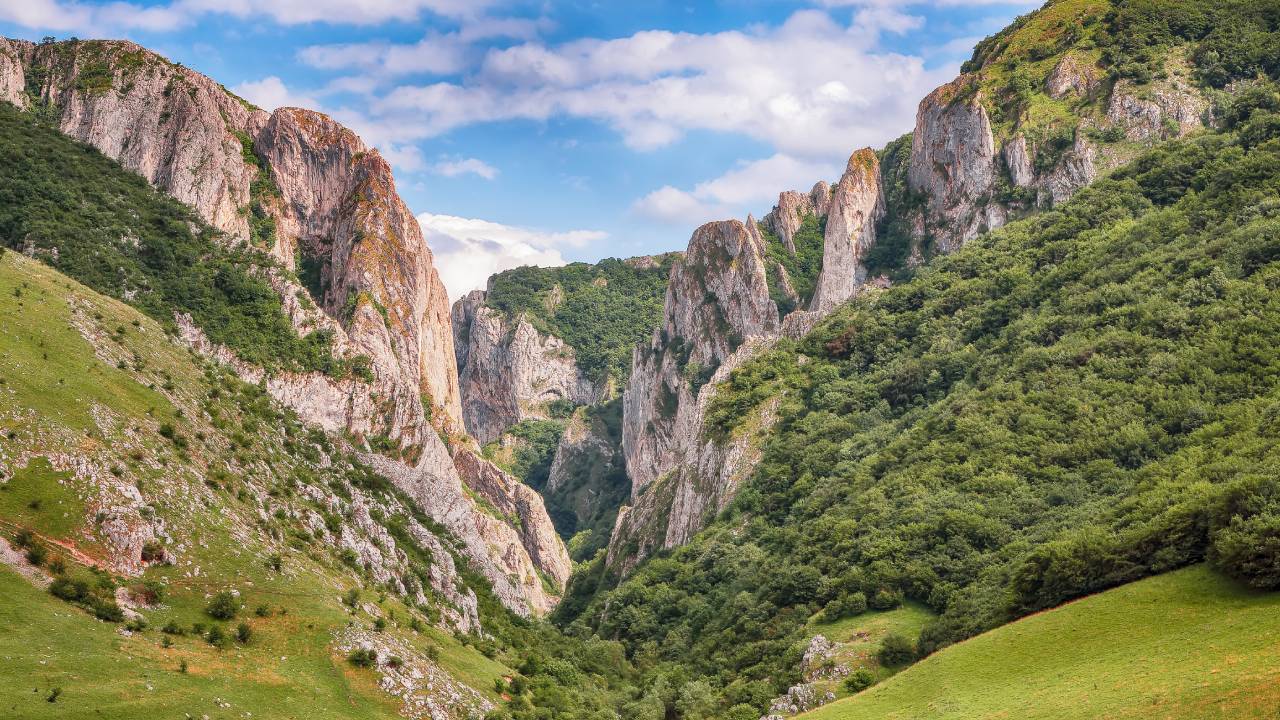
The most sought-after stop on a Quba trip is Qudyalçay Canyon, located close to the city. Shaped by the Qudyalçay River carving through rock over thousands of years, this canyon captivates its visitors with its narrow passages, steep rocky walls, and the natural patterns formed by flowing water. While hiking is possible in certain sections of the canyon, access conditions vary depending on the season and water levels; for this reason, going with a local guide adds value both in terms of safety and overall experience.
The most striking aspect of the canyon is the light filtering through the narrow rocky corridors and the way it falls upon the water, creating a remarkable visual spectacle. For those interested in nature photography, the area becomes something of an open-air studio. The canyon shows a different face in every season — for those who want to cool off in summer, or for those who want to witness its impressive frozen landscapes in winter.
Other Places to Visit in Quba
Another stop that visitors to Quba should not miss is Qırmızı Qəsəbə (Red Settlement), located just outside the city. Known as one of the largest Mountain Jewish (Juhuro) settlements in the world, this village, with its architecture and cultural fabric, becomes one of the most distinctive stops in the region. Walking through its streets lined with wooden and stone houses feels like taking a brief journey back in time.
Another popular stop for those visiting the area is the villages and waterfalls surrounding Quba. Especially in summer, those looking for cool nature walks prefer the trails between these villages. Buying fresh fruit, honey, and handmade products at local markets also becomes an indispensable part of a Quba trip.
Practical Information for Your Visit
Getting to Quba from Baku is quite easy, whether by private car, taxi, or organized day tours. The journey generally takes between two and a half and three hours and passes through a scenic route. It is worth considering seasonal conditions before heading to the region; in the winter months, access to some mountainous areas can become difficult, so it is recommended that those planning a canyon trip in particular check the weather conditions in advance.
Comfortable footwear is especially important for those who will be hiking around the canyon. In summer, a hat and sunscreen are useful, while in winter, warm layered clothing is advisable. Although the duration of the trip varies according to personal preference, it is recommended that those wishing to explore both Quba and Qudyalçay Canyon together set aside at least one full day.
A Comfortable Stopover in Baku with Ganjali Plaza
A Quba trip tends to be long and intensive; having a comfortable place to stay when you return to Baku in the evening significantly enhances the overall quality of your holiday. Ganjali Plaza, located close to the city center with easy access to transportation hubs, makes it easier both to rest after out-of-city trips like Quba and to set off on another route the following day.
Quba and Qudyalçay Canyon offer a perfect itinerary for those who want to see Azerbaijan’s natural beauty and cultural diversity together. For those who want to briefly escape Baku’s city life and spend time among mountains, valleys, and historic villages, this region adds an unforgettable chapter to your holiday.
Frequently Asked Questions
How far is Quba from Baku? Quba is located approximately 170 kilometers from Baku and takes between two and a half and three hours by car.
What is the best time to visit Qudyalçay Canyon? Spring and summer offer more favorable conditions for hiking; in the winter months, access may vary depending on the season.
Is hiking in the canyon difficult? Some sections can be narrow and rocky, so it is recommended to go with appropriate footwear and, if possible, in the company of a guide.
Is it worth visiting Red Settlement in Quba? Yes, it is an important stop for those who want to see the region’s cultural fabric and architectural distinctiveness up close.
Is one day enough for a Quba trip? One full day is generally sufficient for a trip covering the city center, the canyon, and the surrounding villages.



 PROMO CODE: GANJALI26